
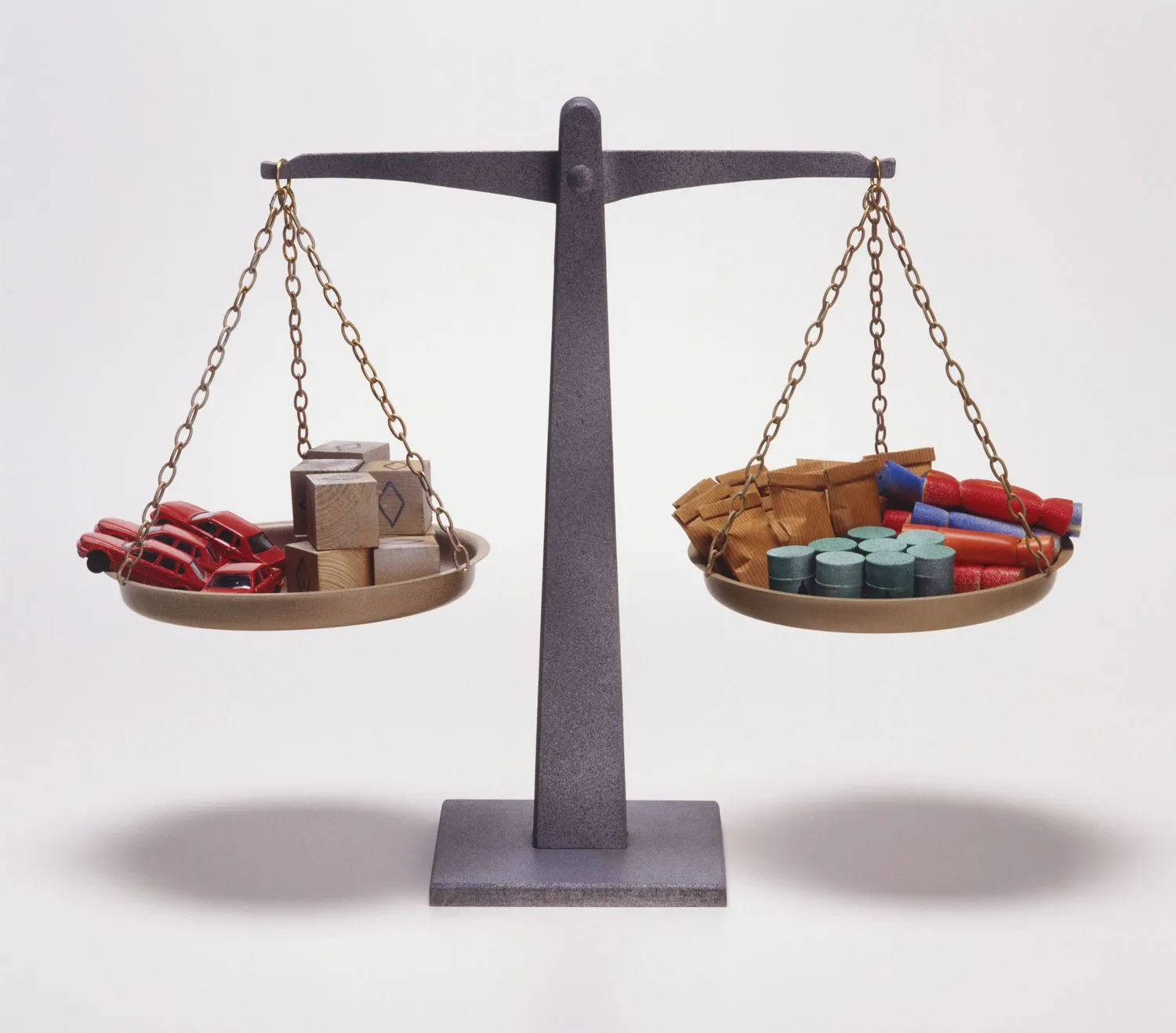
When economists and news anchors talk about a country’s “trade balance” or “trade deficit,” it can sound complicated. But the concept is actually quite straightforward — and understanding it can help you make sense of global economic news, currency fluctuations, and even stock market trends.
In this article, we break down what trade balance means, how to calculate it, and why it matters for everyday people.
What Is Trade Balance?
The trade balance — also called the balance of trade — is the difference between the total value of a country’s exports and its imports over a specific period of time.
In simple terms:
- If a country exports more than it imports, it has a trade surplus
- If a country imports more than it exports, it has a trade deficit
How to Calculate Trade Balance
The formula is simple:
Trade Balance = Total Exports − Total Imports
For example, if a country exports $500 billion worth of goods and services but imports $650 billion, its trade balance is −$150 billion — a trade deficit of $150 billion.
What Causes a Trade Deficit?
A trade deficit doesn’t automatically mean an economy is struggling. It can occur because:
- The domestic economy is growing fast and consumers are spending more on imports
- The country specializes in services (not goods) that aren’t always captured fully in trade data
- The currency is strong, making foreign goods cheaper to buy
- Domestic production costs are high relative to foreign manufacturers
What Causes a Trade Surplus?
A trade surplus typically occurs when:
- A country is a major exporter of goods (e.g., electronics, oil, vehicles)
- Domestic consumption is low relative to production
- The currency is relatively weak, making exports more affordable to foreign buyers
Why Does It Matter?
Trade balance data affects currency values, government policy decisions, and investor sentiment. A persistent trade deficit can put downward pressure on a nation’s currency over time, while a large surplus can lead to political tensions with trading partners.
For investors, watching trade balance reports can provide early signals about economic strength or weakness, especially in export-heavy industries like manufacturing, energy, and agriculture.
Trade Balance vs. Current Account
The trade balance measures only goods and services. The current account is broader — it also includes investment income, remittances, and financial transfers. For a complete picture of a country’s financial relationships with the world, economists look at the current account balance.
Conclusion
Understanding trade balance gives you a clearer lens for interpreting economic headlines. Whether a country is running a surplus or deficit, the context — including growth rates, currency strength, and industry mix — matters more than the number alone.
Want to run your own trade comparisons and calculations? Try our free trade calculator to analyze any trade scenario instantly.