
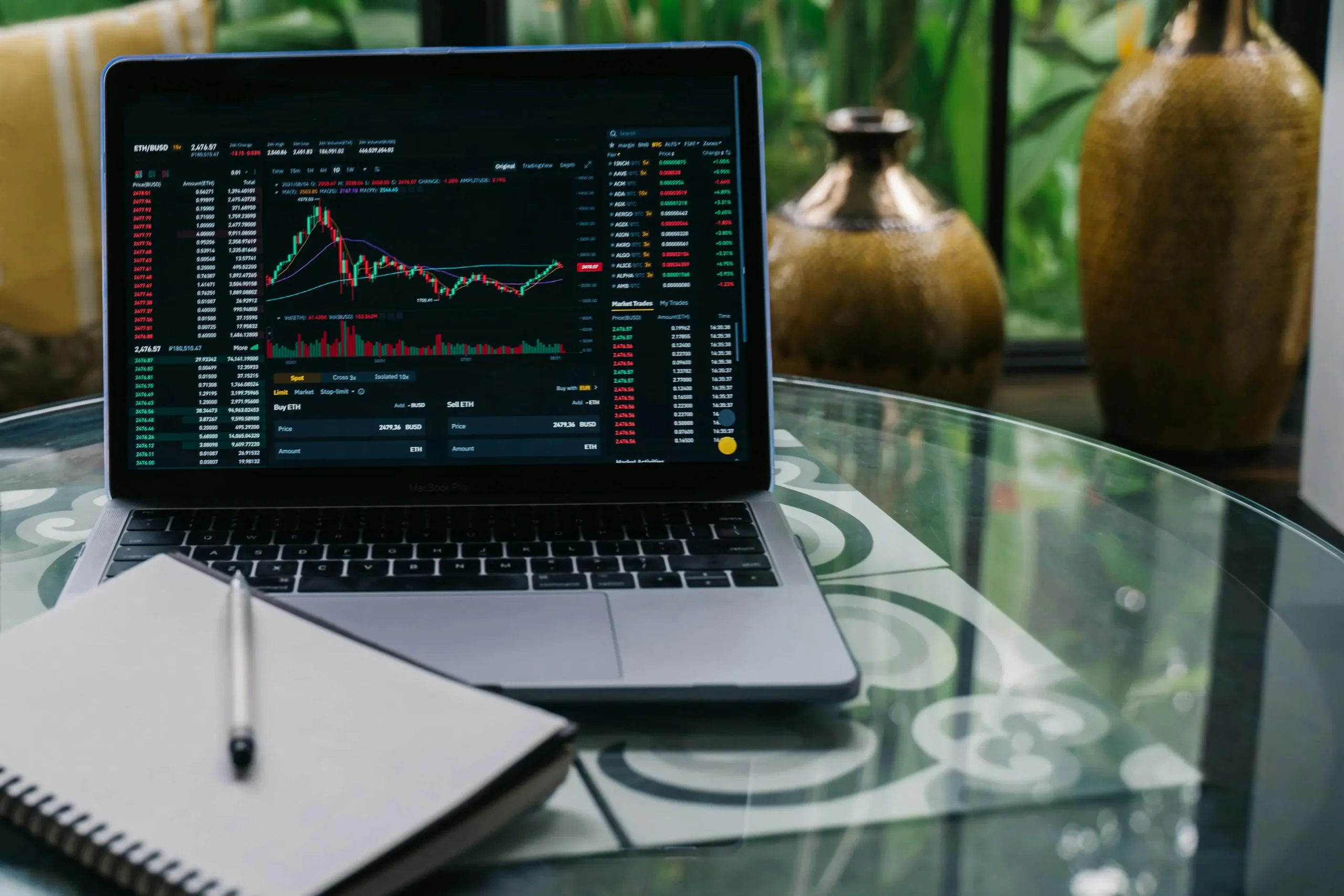
You open a trading app, place a trade, and within minutes your money goes up—or disappears.
It feels exciting. Fast. Unpredictable. So it’s a fair question: is day trading gambling? Many beginners quietly suspect it is. And honestly? Sometimes they’re right.
But here’s the part most people miss:
Day trading is only gambling when you treat it like one. Done properly, it’s a skill-based activity with risk control, strategy, and long-term edge. Done poorly, it’s no different from betting at a casino.
Let’s break this down in a way that actually helps you avoid costly mistakes.
What Is Day Trading (In Simple Terms)?
Day trading is the practice of:
- Buying and selling assets (stocks, forex, crypto)
- Within the same day
- To profit from small price movements
You’re not investing for years—you’re reacting to short-term price action.
Think of it like this:
- Investing = planting a tree
- Day trading = catching waves
Both can work—but require completely different skills.
What Is Gambling?
Gambling is when you:
- Risk money on uncertain outcomes
- Have little to no control over results
- Depend mostly on luck
Examples include:
- Casino games
- Sports betting
- Lottery
The key difference?
In gambling, you don’t have an edge.
Is Day Trading Gambling? The Real Answer
Here’s the honest breakdown:
Day Trading Is Gambling When:
- You enter trades randomly
- You follow hype or social media tips
- You don’t use stop-losses
- You risk large amounts per trade
- You chase losses emotionally
At that point, you’re not trading—you’re betting.
Day Trading is NOT Gambling When:
- You use a tested strategy
- You manage risk carefully
- You follow strict rules
- You analyze data, not emotions
- You focus on long-term consistency
This is called probability-based trading.
You’re not trying to win every trade—you’re trying to win over time.
Why Day Trading Feels Like Gambling
Even when done right, it can still feel like gambling.
Here’s why:
1. Instant Results
You get feedback (profit/loss) within minutes.
2. Emotional Swings
Fear and greed hit hard and fast.
3. Uncertainty
No trade is ever guaranteed.
4. Dopamine Effect
Winning trades feel addictive—like a slot machine.
This psychological pressure is what traps most beginners.
The Core Difference: Probability vs Luck
A professional trader thinks like this:
- “If I take this setup 100 times, I’ll likely profit overall.”
A gambler thinks like this:
- “This trade feels like it will win.”
That one shift—from emotion to probability—is everything.
How to Day Trade Without Gambling (Step-by-Step)
If you want to stay on the professional side of trading, follow this structure.
Step 1: Build One Simple Strategy
Start with something basic:
- Breakouts
- Trend-following
- Support/resistance
Don’t overcomplicate it. Master one setup before trying others.
Step 2: Define Your Risk Per Trade
This is non-negotiable.
Use the 1% rule:
- Account: $1,000
- Risk per trade: $10
Even 10 losses in a row won’t destroy you.
Step 3: Use a Risk-to-Reward Ratio
A simple formula:
- Risk: $10
- Target: $20
This is called a 1:2 risk-reward ratio.
You can be wrong more often than right—and still profit.
Step 4: Always Use a Stop-Loss
No stop-loss = gambling.
It’s your safety net when you’re wrong (and you will be wrong sometimes).
Step 5: Track Your Trades
Keep a simple journal:
- Why you entered
- What happened
- What you learned
This is how real traders improve.
Step 6: Control Your Psychology
This is the hardest part.
Avoid:
- Revenge trading
- Overconfidence
- Fear-based exits
Discipline is more important than strategy.
Real Example: Gambling vs Professional Trading
Gambling Style
- “This stock is going up—I’ll jump in”
- No plan
- No stop-loss
- Emotional decisions
Outcome: inconsistent and risky
Professional Style
- Wait for a clear setup
- Define entry, stop, and target
- Risk a fixed amount
- Follow rules
Outcome: controlled and repeatable
Common Mistakes That Turn Trading Into Gambling
Most beginners fall into these traps:
Overtrading
More trades = more mistakes.
Chasing Losses
Trying to recover quickly usually makes things worse.
No Risk Management
This is the fastest way to blow an account.
Strategy Hopping
Switching methods constantly prevents learning.
Trading for Excitement
If you’re trading for a “rush,” you’re gambling.
Pro Tips From Real-World Experience
1: Think in batches of trades
Judge performance over 20–50 trades—not one.
2: Protect your capital first
Making money comes second. Survival comes first.
3: Accept losses early
Small losses are part of the game.
4: Trade less than you want to
Boredom leads to bad trades.
When You Should NOT Day Trade
Be honest—day trading may not be for you if:
- You want quick money
- You struggle with discipline
- You can’t handle losses emotionally
- You don’t have time to learn
There’s no shame in choosing long-term investing instead.
FAQ: Is Day Trading Gambling?
1. Why do so many people compare day trading to gambling?
Because most beginners trade without strategy or discipline, making it look random.
2. Can day trading be profitable long-term?
Yes—but only for traders who manage risk and follow a consistent system.
3. Is day trading riskier than investing?
Yes. Short-term price movements are more volatile and unpredictable.
4. What percentage of day traders lose money?
A large portion of beginners lose early due to poor risk management and lack of experience.
5. How can I tell if I’m gambling or trading?
Ask yourself: “Do I have a plan, or am I guessing?”